Share
Print

The Wrong Dream: Reimagining Our Future with AI

Tech billionaires and science fiction have us dreaming of a future in which artificial intelligence becomes so powerful, it renders humans unnecessary. As a professor of computational creativity, I think we can do a lot better than that.
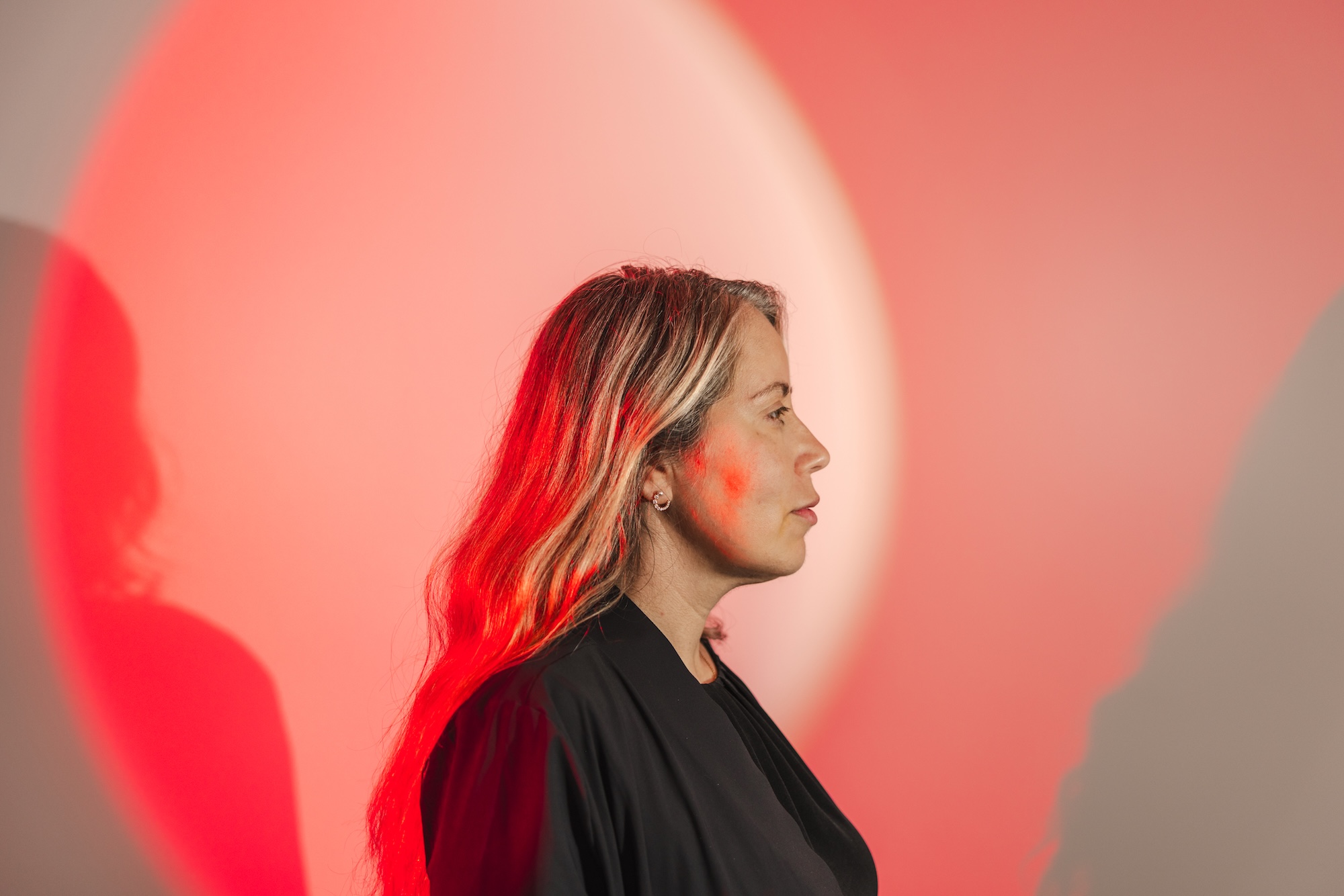
A blonde woman in a dark blazer stands in profile against a red-lit wall.
Professor Maya Ackerman. Photos by Miguel Ozuna.
05 Nov 2026
by Maya Ackerman

The other day, I saw a video of Elon Musk describing a future in which artificial intelligence becomes vastly smarter than us and delivers unprecedented abundance, where everyone could have anything they want. It’s unclear who would benefit from said abundance since Musk also posited that humanity will become like chimpanzees by comparison, while just a handful of people will hold the reins of superintelligence.

He is far from alone. Consumers, investors, and even ethicists are dreaming of a future in which AI becomes so efficient, so highly capable that it renders human labor unnecessary. This AI would render us intellectually inferior and economically obsolete. In response, some race to build more powerful AI while others try to stop it, but everyone seems to be looking in the same direction.

It is hardly surprising. Science fiction has worked hard to reinforce this idea. From “The Matrix” to “Her,” machines are portrayed as reaching levels of intellect and power far beyond our grasp.

This is the wrong dream.

Not because we should abandon AI, but because intelligence is power. If we surrender ours, we risk an unprecedented class divide, mass unemployment, widespread poverty, and a profound loss of human autonomy for the majority of the population.

The good news is that the current path is not inevitable. There are many other AI dreams that we can build. One such dream—the one I have worked toward for more than a decade as a generative AI researcher and founder—is a world in which human and machine intelligence grow in tandem.
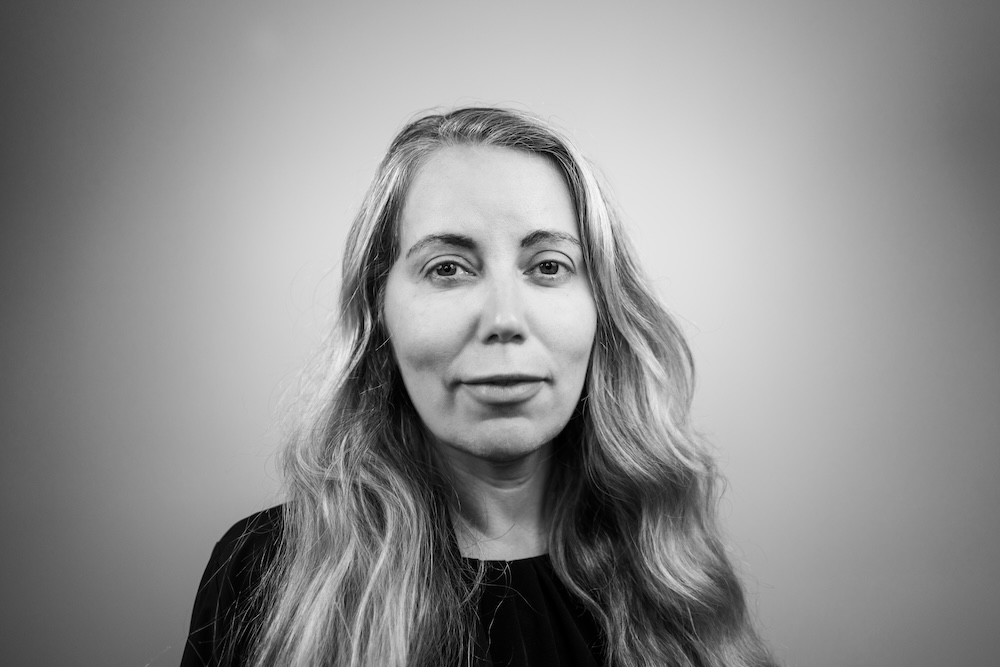
Black and white portrait of a woman with long blonde hair.

Long before the proliferation of generative AI in 2023, we already had AI systems designed to elevate human capability. One of my earliest experiences with such a system was Impro-Visor, an AI tool for musical improvisation.

I would play a few musical phrases, and it would respond with a musical phrase of its own. Back and forth we went, over and over. I found myself glued to it for hours, exhilarated by my newfound ability to improvise at the piano. But the greatest surprise came when I returned home.

Away from the machine, my fingers began moving across the piano almost on their own, and beautiful music flowed out. For the first time in my life, I was improvising, after just one sustained interaction with an AI system. 

That is my dream for AI: technology that makes people smarter and more capable, even if the power goes out forever.

And this is not some distant utopian vision. Even small design changes could begin moving us in a different direction. AI could express uncertainty instead of projecting unwavering confidence. It could stop overwhelming users with essays in response to two-word prompts. It could stop racing to complete tasks for us and start engaging with our thinking when we ask for help.

Built differently, AI could take human capacity to previously unimaginable places. It could contribute not only to better outputs, but to the continuing evolution of our minds and even our physical brains.

When we dream differently, when we imagine a world in which human and AI capabilities grow together, we no longer have to fear the machine. Humans can remain economically essential. More importantly, we can preserve the joy of using our minds and growing in intellect, both as individuals and as a species.

There is so much human brilliance waiting to be unleashed. 

Maya Ackerman is an associate professor of computer science and engineering and a leading expert on artificial intelligence and computational creativity. This year, she was named to the 100 Women in AI campaign by Flybridge and XFactor Ventures and the top Women in Music list by Billboard magazine. A classically trained opera singer, Ackerman is the CEO and co-founder of the AI musical startup WaveAI.