The San Francisco Chronicle newsroom knew the story was something special before it even published, says Maggie Beidelman ’09. “Being in California, we knew folks were struggling to rebuild after wildfires, but we didn’t really know why,” she says. “This was some of the first reporting done about flawed algorithms and systematically underinsured homeowners.” Turns out, the newsroom was onto something. The Chronicle won the 2026 Pulitzer Prize for Explanatory Reporting for the “Burned” investigative series—the paper’s seventh Pulitzer and Beidelman’s first as part of the reporting team.
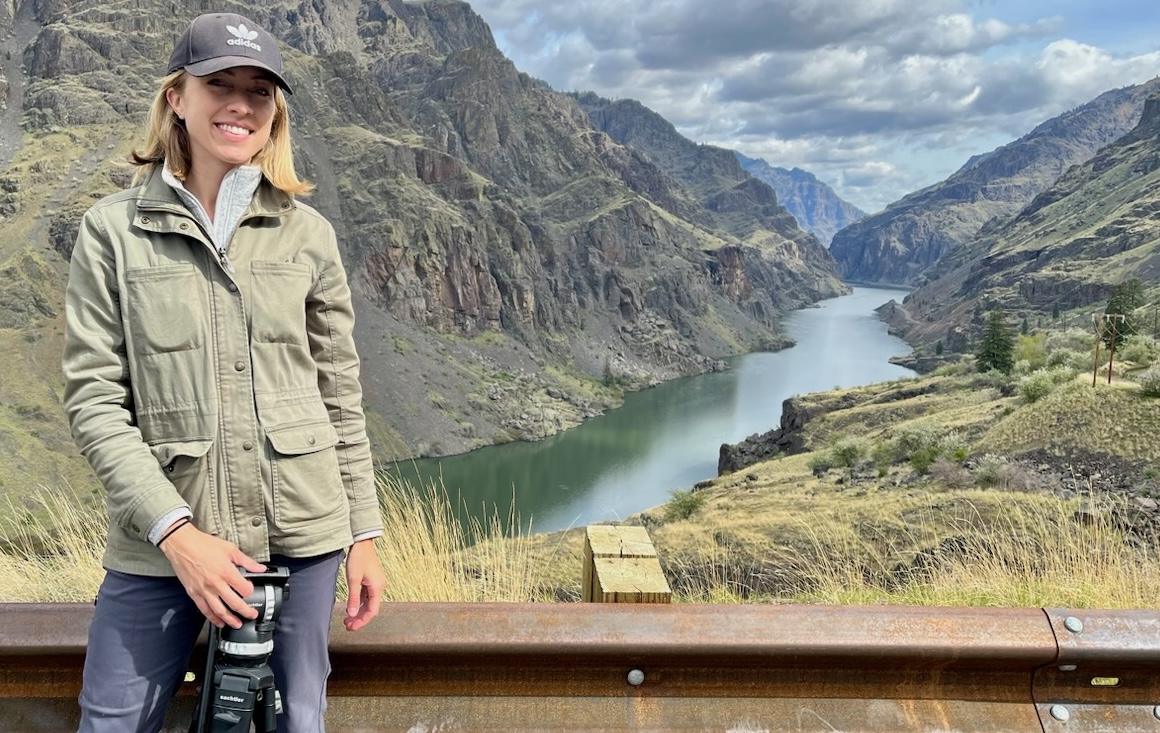
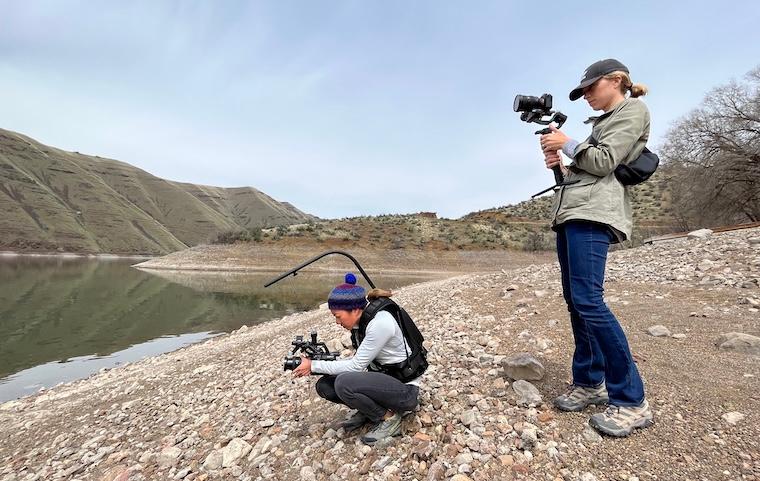
As the Chronicle’s deputy director of visuals and video, Beidelman was a senior producer and videographer on “Burned.” She oversaw the script and shot footage for a short documentary by primary videographer Brontë Wittpenn that ran in conjunction with several written articles.
The film included interviews with several survivors of the 2021 Caldor Fire in Grizzly Flats, a former gold mining camp nestled in the woods between Sacramento and Lake Tahoe. It also included a homeowner who lost her house in the catastrophic fires that burned upwards of 57,000 acres in Los Angeles County in January 2025. The subjects had lost their homes but were struggling to rebuild because insurance companies had woefully underestimated what their clients would need to do so.
The crux of the investigation by reporters Megan Munce and Susie Neilson focused on a software tool called 360Value, which is used by many major insurers to set coverage limits for policyholders. Reporters found that 360Value routinely relies on outdated and incomplete data, so it often underestimates how much a homeowner will need to rebuild, sometimes by hundreds of thousands of dollars. “This was the first time someone had identified this particular issue—on the algorithms and how agents were using them and how they work in general. So we were excited about that,” Beidelman says.
But more importantly, she says, is that the reporting helped pave a path toward actual change. “Multiple states launched a probe to look into the issue after the story published, so clearly it’s had a far-reaching effect,” she says. “So, very proud of that.”