The other day, I saw a video of Elon Musk describing a future in which artificial intelligence becomes vastly smarter than us and delivers unprecedented abundance, where everyone could have anything they want. It’s unclear who would benefit from said abundance since Musk also posited that humanity will become like chimpanzees by comparison, while just a handful of people will hold the reins of superintelligence.
He is far from alone. Consumers, investors, and even ethicists are dreaming of a future in which AI becomes so efficient, so highly capable that it renders human labor unnecessary. This AI would render us intellectually inferior and economically obsolete. In response, some race to build more powerful AI while others try to stop it, but everyone seems to be looking in the same direction.
It is hardly surprising. Science fiction has worked hard to reinforce this idea. From “The Matrix” to “Her,” machines are portrayed as reaching levels of intellect and power far beyond our grasp.
This is the wrong dream.
Not because we should abandon AI, but because intelligence is power. If we surrender ours, we risk an unprecedented class divide, mass unemployment, widespread poverty, and a profound loss of human autonomy for the majority of the population.
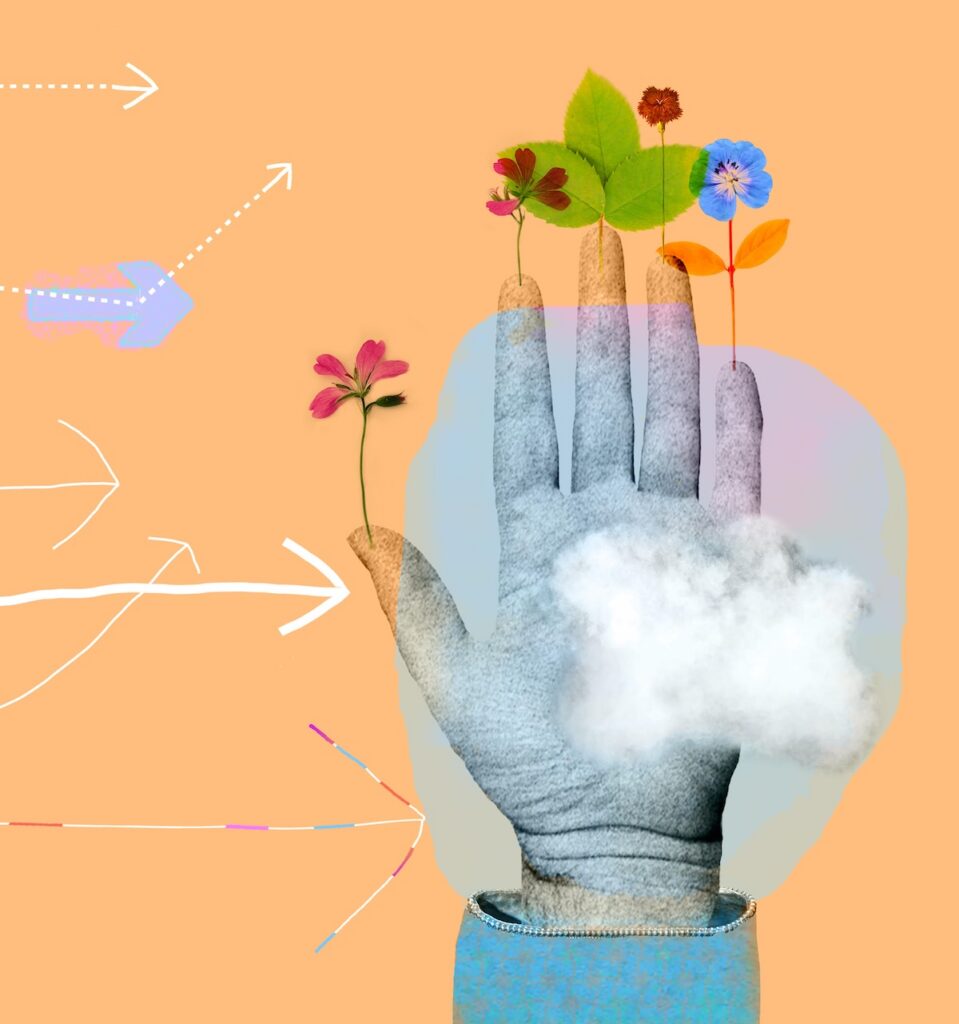
The good news is that the current path is not inevitable. There are many other AI dreams that we can build. One such dream—the one I have worked toward for more than a decade as a generative AI researcher and founder—is a world in which human and machine intelligence grow in tandem.