

Related Articles

The Wrong Dream: Reimagining Our Future with AI
Tech billionaires and science fiction have us dreaming of a future in which artificial intelligence becomes so powerful, it renders humans unnecessary. As a professor of computational creativity, I think we can do a lot better than that.
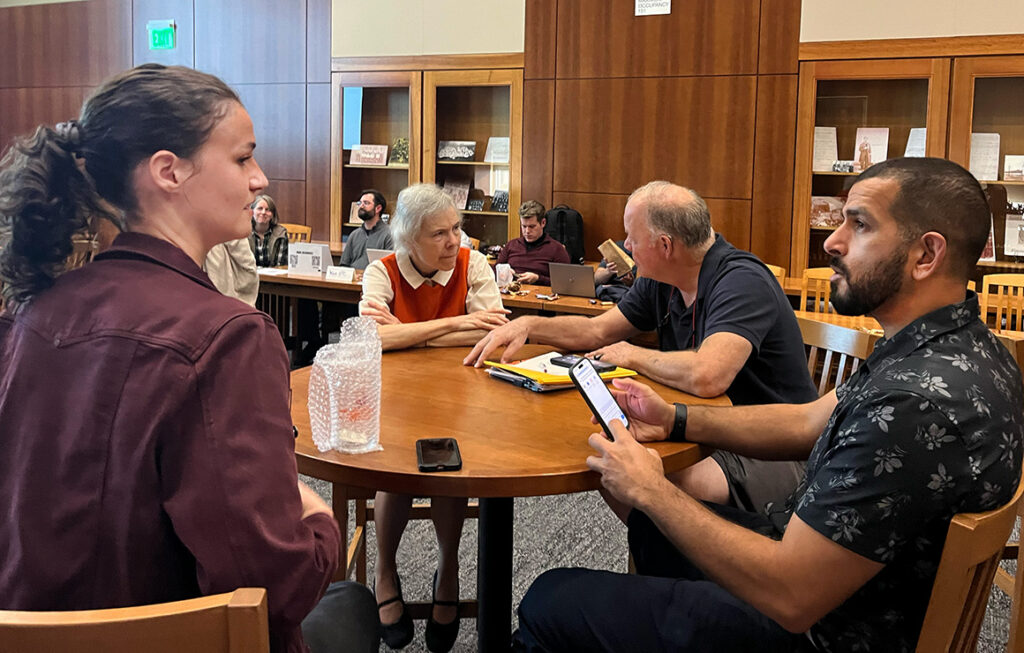
Five minutes, five faculty, and a University on the rise
At the third annual Research & Brew, faculty from law, psychology, communication, and public health explained their work against the clock and over beer.
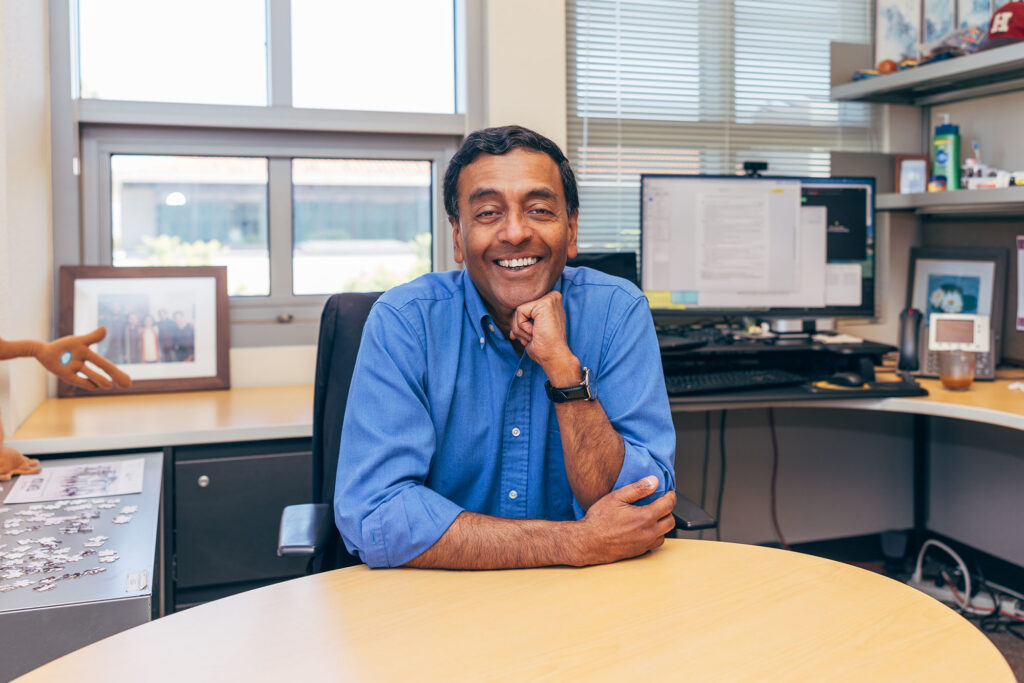
Sanjiv Das finds an algorithmic connection between retirement planning and video games
The finance and data science professor combines AI, mathematics, and behavioral finance to help people make smarter decisions about retirement.